LessonRating

We'll help you compare tuba teachers...

Tuba Lessons in Indian Trail, NC

Search review & compare local Indian Trail tuba teachers. Start lessons today!


2 Indian Trail Tuba Teachers Available for Lessons


Robin Love Piano Studio

Robin Love Piano Studio

Matthews, NC - Tuba Lessons

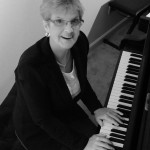
Mrs. Love has her Bachelor of Music Degree in Piano Pedagogy and State Teaching Certificate from ECU. She minored in voice and organ. She served as a church pianist, organist and choir director from 1970-1992 and moved to Charlotte in 1980. She began her independent piano teaching and choir directing in the Charlotte area in 1982. During 1988-2001, she served as the publicity chair for the Music Teachers National Association ...

Charlotte Academy Of The Arts

Charlotte Academy Of The Arts

Matthews, NC - Tuba Lessons

This year marks 36 years of piano teaching for Regina Ziliani. In 1988 she accepted her first piano student while still in high school. She maintained a large studio throughout college teaching at Oakbrook Preparatory School, Case Brothers and in her private home studio. Regina was named Daniel Music Scholar at Converse College, and while a student also continued her violin study as well, performing with the Converse Chamber Ensemble and the G...

About Tuba Lessons in Indian Trail, NC

Frequently Asked Questions

How many tuba teachers are near Indian Trail, NC?

There are 2 tuba teachers listed within 20 miles of Indian Trail. Each profile includes student reviews, lesson rates, background details, and a direct contact option.

How do I book a tuba lesson in Indian Trail?

Browse the teacher profiles above, read student reviews, and click “Request a Quote” on any profile. Most teachers respond within 24 hours and there’s no charge to send a request.

Are online tuba lessons available near Indian Trail?

Most teachers in this area teach in person. Use the Online Lessons filter above to check for remote options, or contact a teacher directly to ask about virtual lessons.

Are tuba teachers in Indian Trail reviewed by students?

Browse individual teacher profiles to read their credentials and background. As students submit reviews, ratings will appear on each profile and in the summary above.

About Tuba Lessons

The tuba is the bass of the brass family and the anchor of any ensemble it joins — the note the tuba plays is the note that determines what chord everything else is building on top of. It is also, despite its size and reputation, a surprisingly agile instrument: composers from Berlioz to Vaughan Williams have written solos for it that demand real technical facility, and jazz and avant-garde players have pushed it into contexts that bear no resemblance to the stolid bass line role it is often assumed to occupy. Students who choose the tuba tend to be drawn to its combination of power and unexpectedly expressive range.

The defining physical challenge is air. The tuba requires more breath support than any other brass instrument to produce a full, centered tone — not just more air volume, but a consistent, controlled stream of it maintained over long phrases. Building that respiratory capacity takes time, and beginning tuba players often find that their embouchure and fingers develop faster than their air support, creating a mismatch that affects tone and intonation until the breathing catches up. A good teacher will address breath work as a primary technical focus rather than treating it as a secondary concern.

The tuba appears in orchestral, wind band, brass band, and jazz contexts, each with slightly different technique and emphasis. Orchestral tuba playing requires blending with the low brass section and managing intonation across a wide dynamic range; brass band tuba technique is somewhat different in approach and the instrument itself is pitched differently (Bb rather than the common orchestral C). When choosing a teacher, ask about their performance background and whether their experience matches the context you are aiming for.

Three tuba players worth knowing: Arnold Jacobs, principal tuba of the Chicago Symphony for decades, is the towering figure in North American tuba pedagogy — his approach to breathing and sound production influenced generations of brass players far beyond the tuba world. Roger Bobo held the same position with the Los Angeles Philharmonic and made recordings that established the tuba as a viable solo concert instrument. Carol Jantsch, who became the first woman to hold a principal tuba position in a major American orchestra, demonstrates what the next generation of tuba playing sounds like at its highest level.

The Vaughan Williams Tuba Concerto is the defining work in the solo repertoire and the long-term goal most serious students carry from early in their study. The Gregson Tuba Concerto is a more recent work that gives students access to contemporary solo writing before they are ready for the Vaughan Williams. For younger or less advanced students, the “Tubby the Tuba” concert pieces — light and charming — are among the most effective early repertoire for demonstrating the instrument’s character while developing basic technique.

Breathe in tempo, always — tuba players who take breath outside the rhythmic pulse consistently struggle with ensemble coordination, and building the habit of metered breathing from the beginning is one of the most practically useful things a new player can do.

Calling all Indian Trail Tuba Teachers!

Are you a Tuba teacher looking for more students? Let us help you fill your studio today!

Sign Up as a Teacher

Popular Lessons


Nearby Locations


We'll connect you with tuba teachers ready to help you learn

What instrument(s) would you like lessons for?

most popular


+view all lesson types
25% complete

What is the age of the student?

What is the skill level of the student?

Where will lessons take place?

Do you have an instrument to practice on?

When do you want lessons to begin?

50% complete

One more thing…

Teachers who receive details respond faster and come to the first lesson better prepared. Take 30 seconds to tell them what you're looking for.

Helpful things to mention:
  • Your goal — performing, hobby, catching up, auditions
  • Specific songs, styles, or genres you love
  • Any scheduling preferences
65% complete

Almost done - last step!

How should teachers contact you?

Please enter the student name
A valid email address is required.
A valid phone number is required.
99% complete